Join our first online Public Event on unconscious bias among managers

The European project “Beyond Unconscious Bias” (BEYUNBI), coordinated by CEC European Managers, is proud to announce its first online public event, taking place on 18 September, 2024, at 15:00 CET.

This event will offer a unique platform for experts, project participants, and the public to engage in meaningful discussions about unconscious bias in leadership and the strategies to address it. The event will last for one hour and can be followed live via this [bit.ly/beyunbi-copenhagenpublic-event-1] or on the official LinkedIn page of CEC European Managers.

Event Highlights:

  • Expert Contributions: Experts from BEYUNBI, including the organisations CEC European Managers and the Fondazione Giacomo Brodolini, will share their insights and expertise on tackling unconscious bias among managers.
  • For Managers: The event will explore leadership models and the unique challenges leaders face in countries such as Denmark, Sweden, and Germany. Attendees will also interact with Torkild Justesen, the secretary general of CEC European Managers.
  • Survey Results Presentation: The University of Southern Denmark’s analysis of the international survey conducted through the EU Project Beyunbi will be presented alongside the main findings on unconscious bias, providing a data-driven perspective on the issue.
  • Q&A Session: Participants will have the chance to engage with the Beyunbi training experts, as well as trainees from the program held in Copenhagen on September 9-10, 2024.

Additionally, a participant in the Copenhagen training will offer his perspective on the challenges of addressing bias in leadership.

This open event represents a pivotal opportunity to deepen understanding of unconscious bias among leaders and exchange practical solutions for creating more inclusive workplaces.
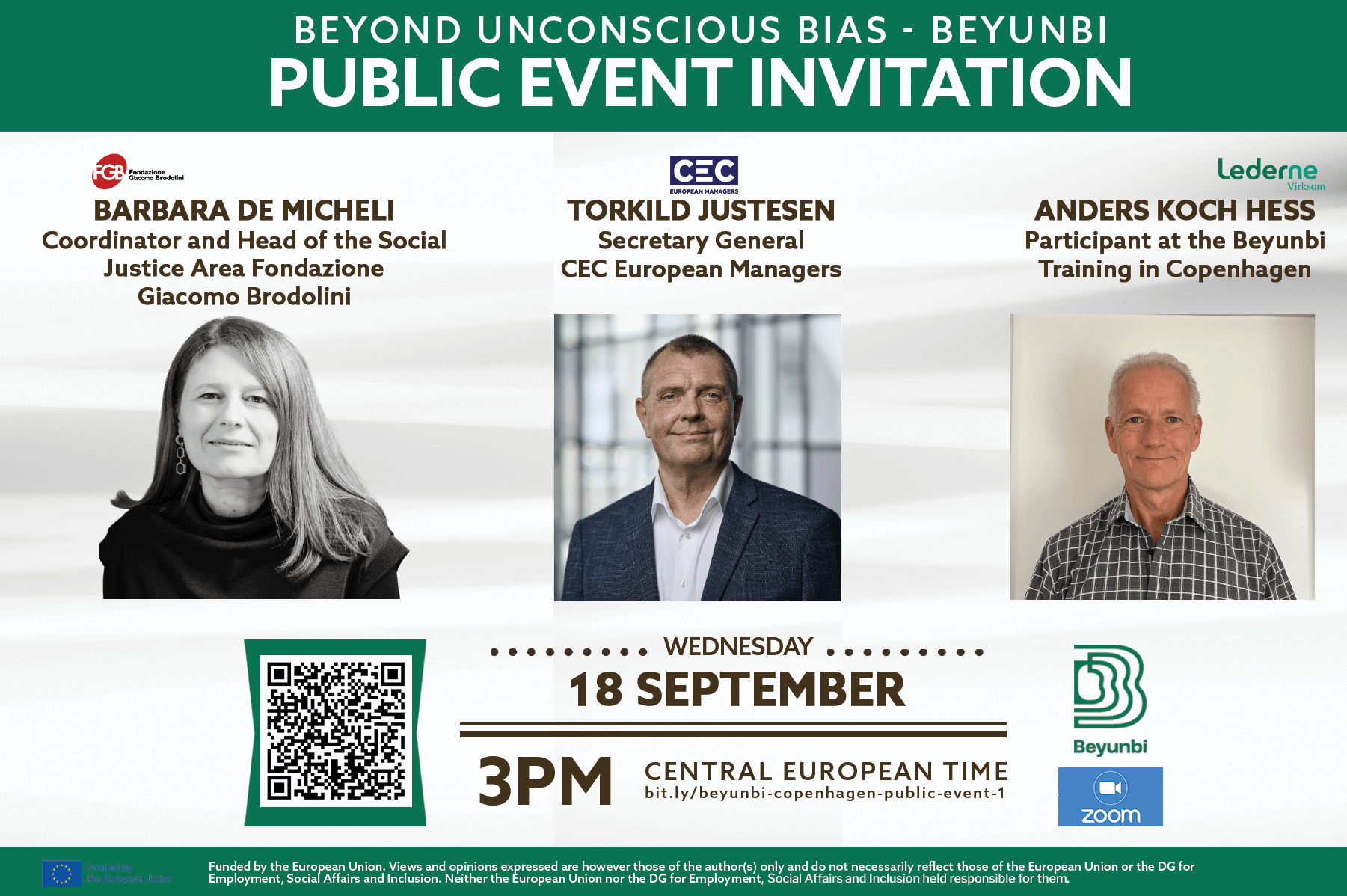
Public Event Beyunbi Invitation

Link to access Public Event: bit.ly/beyunbi-copenhagen-public-event-1

Time: 3PM (Central European Time)

Place: Online, ZOOM Room

Other streaming platforms: Linkedin Live Streaming  https://www.linkedin.com/ company/cec-european-managers


About BEYUNBI – Beyond Unconscious Bias EU Project

The Beyond Unconscious Bias (BEYUNBI) project is an important initiative led by CEC European Managers, a key social partner of the European Commission representing over 1 million managers across Europe.

The project aims to address and mitigate unconscious bias in managerial roles through a series of targeted actions, including an international survey conducted by the University of Southern Denmark and online and face-to-face training organised by the Fondazione Giacomo Brodolini. BEYUNBI’s mission is to equip managers and leaders with the tools to foster more inclusive and equitable workplaces throughout the EU.

Through their commitment to inclusivity, gender equality, and women’s leadership, EU managers following this project will work to promote a more diverse and open managerial culture across the EU. Don’t miss this opportunity to engage with thought leaders in the field and contribute to shaping a more inclusive future for management. For more information, visit the project’s website beyondbias.eu or follow CEC European Managers social media channels.

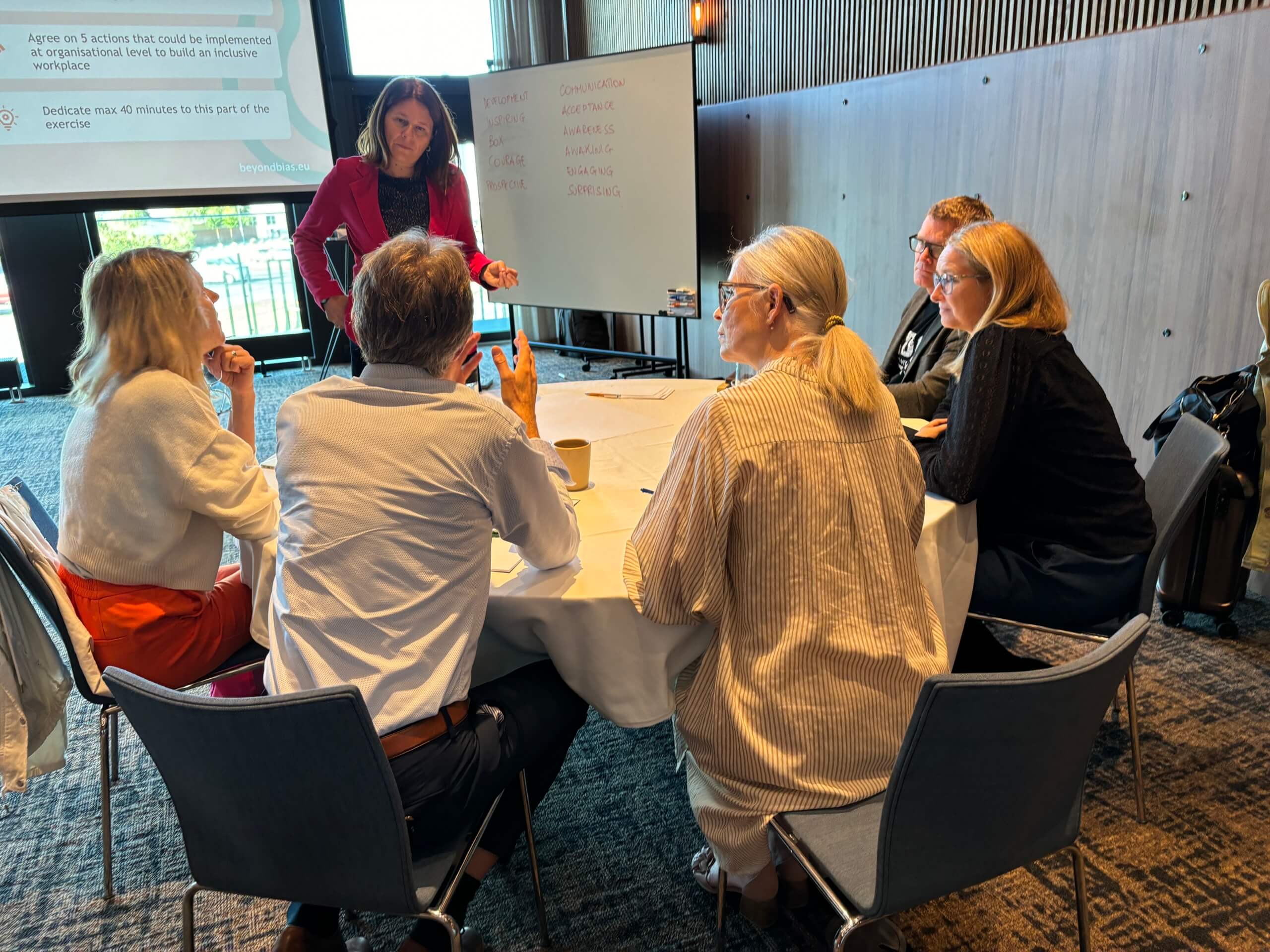
Fostering inclusive leadership: Key insights from day two of the EU ‘Beyond Unconscious Bias’ training in Copenhagen

The second and final day of the EU Project “Beyond Unconscious Bias” training, hosted by CEC European Managers’ member organisation in Denmark, Lederne, took place at the Scandic CPH Strandpark.

Led by Barbara De Micheli of the Fondazione Giacomo Brodolini, the day kicked off at 9AM with reflections on the previous day’s discussions around inclusive leadership and its importance in modern organisations.

A key point raised during the session was understanding the “why” behind inclusive leadership. Torkild Justesen, Secretary General of CEC European Managers, emphasized that inclusivity must not only engage employees but also serve the business interests of companies.

He underlined that companies thrive when inclusivity aligns with economic success, creating both an inclusive environment and a competitive advantage.

Andreas Bücker of the European Federation of Managerial Staff in the Chemical Industry (FECCIA) asked about the correlation between inclusivity and economic performance. Barbara De Micheli referred to some studies but highlighted concerns about their methodologies.

She urged for a more critical approach when linking inclusivity with business metrics.

Core aspects of inclusive leadership

As the training progressed, participants delved into the six pillars of Inclusive Leadership:

  • Visible commitment
  • Humility
  • Awareness of bias
  • Curiosity about others
  • Cultural intelligence
  • Effective collaboration

Leaders attending the training explored how language plays a crucial role in reinforcing or challenging unconscious biases. One notable example came from participants who discussed how gendered language, such as in German, could influence perceptions and team dynamics.

They acknowledged that improving the use of language could help change how teams perceive one another and foster a more inclusive atmosphere.

Swedish managers brought forward examples from their own workplaces, where female managers offering assistance to male colleagues could sometimes be perceived as a threat.

This dynamic, they explained, reflects broader societal norms and underlines the need for managers to foster inclusive environments that bridge these misunderstandings.

Reflection on Leadership behaviour

The workshop also provided space for deep reflection on the behaviours that leaders bring to their roles and how unconscious biases impact managerial decisions.

During group discussions, participants examined how biases often serve as personal rewards or means of maintaining safety—for example, when managers hire individuals with similar educational or cultural backgrounds.

De Micheli warned that “feared leaders will, in time, be replaced by the teams they manage.”

Nordic leaders shared their experience with a different challenge—their leadership style often lacks explicit language, as described by Anders Koch, Head of International Relations at Lederne: “We often expect people to read our minds.” This tendency for indirect communication can lead to misunderstandings and create challenges when fostering inclusivity.

Feared leaders will, in time, be replaced by the teams they manage

Curiosity also emerged as a significant leadership trait. Both employees and employers, leaders agreed, need to cultivate curiosity, as it fosters innovation, helps view problems from multiple perspectives, and ultimately strengthens company values. One leader succinctly captured this idea, saying, “To build values, first you need to have them.”

We will take this new knowledge home and disseminate it through our organisations. We will try to be more inclusive and clear from now on.

Participant at the Beyunbi training

Inclusive communication and safe spaces

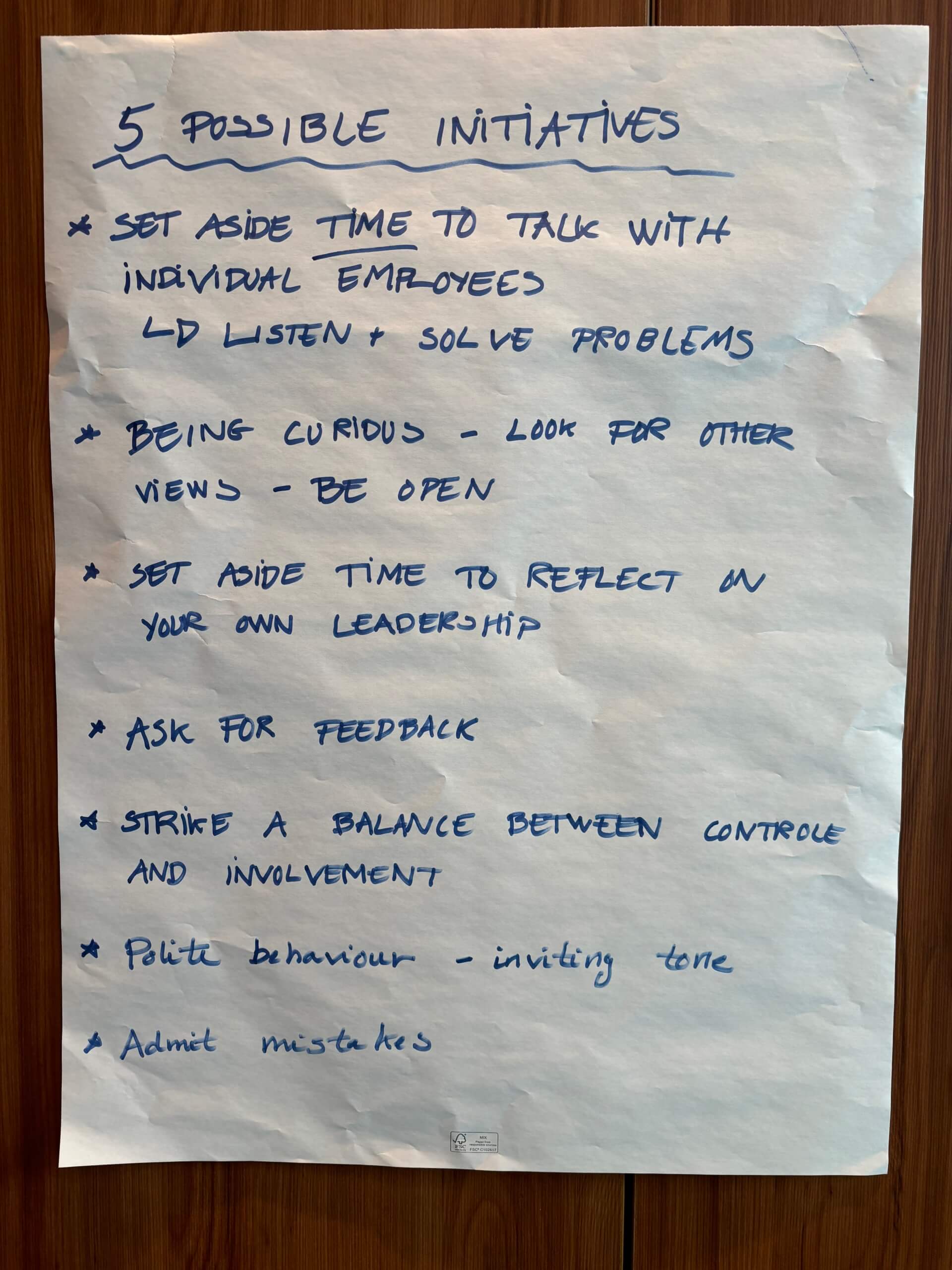
One of the discussion themes was how to support introverted team members, ensuring they have space and time to contribute to conversations.

Leaders highlighted the importance of creating “safe spaces” for these individuals to communicate meaningfully.

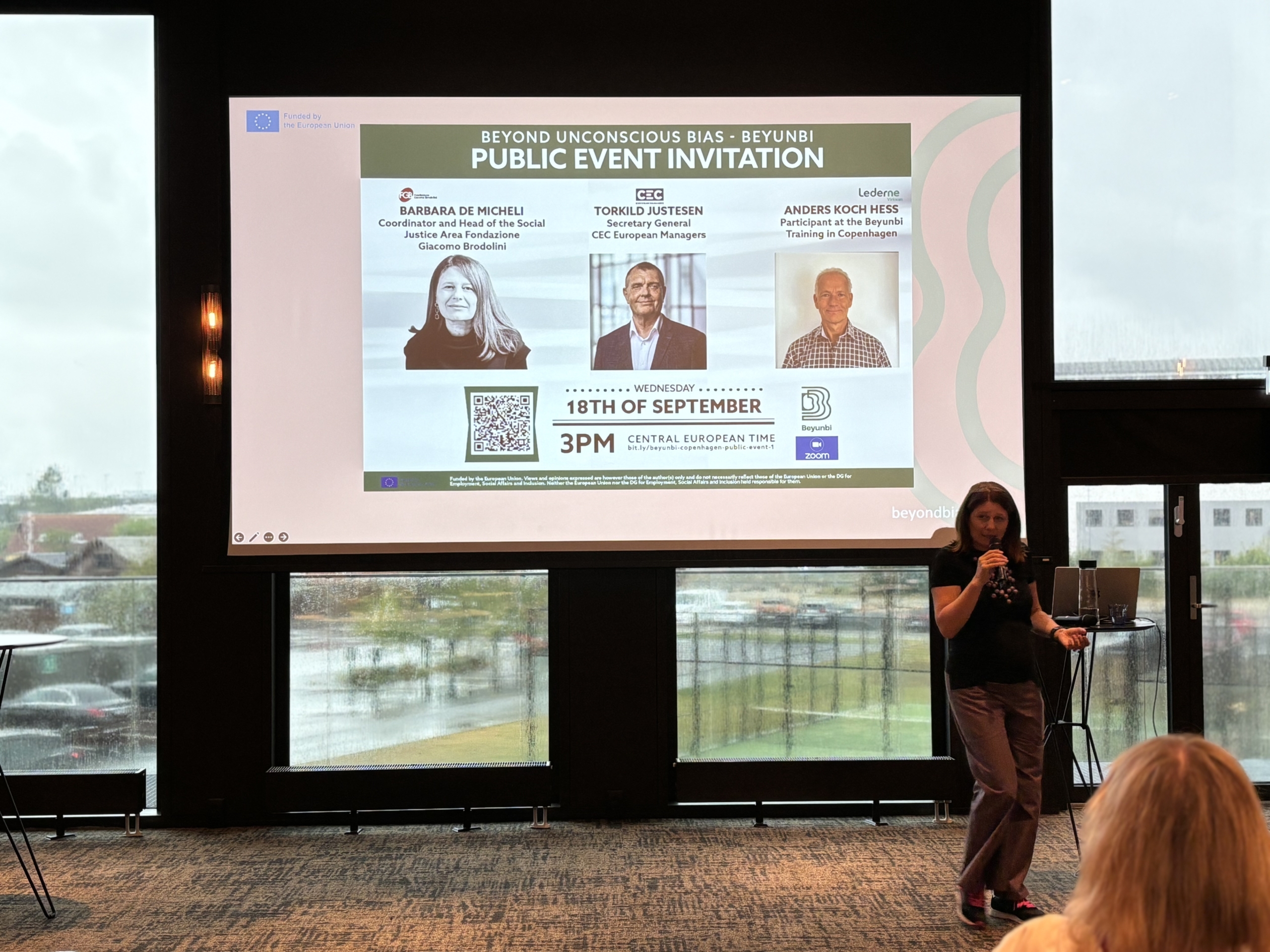
As the day wrapped up, Barbara De Micheli invited participants to attend a public event scheduled for September 18, 2024, at 3 PM, to be held online.

Public Event Beyunbi Invitation

During this event, survey results conducted by the University of Southern Denmark will be presented, and insights from the Copenhagen training will be shared with the wider public.

Next steps

Participants expressed their satisfaction with the training, noting how they will apply the lessons learned to their organisations. “We will take this new knowledge home and disseminate it through our organisations. We will try to be more inclusive and clear from now on,” one manager commented.

The Beyond Unconscious Bias project continues its mission with upcoming sessions in Paris on September 31 and October 1, followed by the Final Conference in Brussels on November 27.

More information about the initiative can be found at beyondbias.eu.

The training in Copenhagen marks another step forward in promoting inclusive leadership across Europe, with managers taking the lead in reshaping workplace cultures for the better.


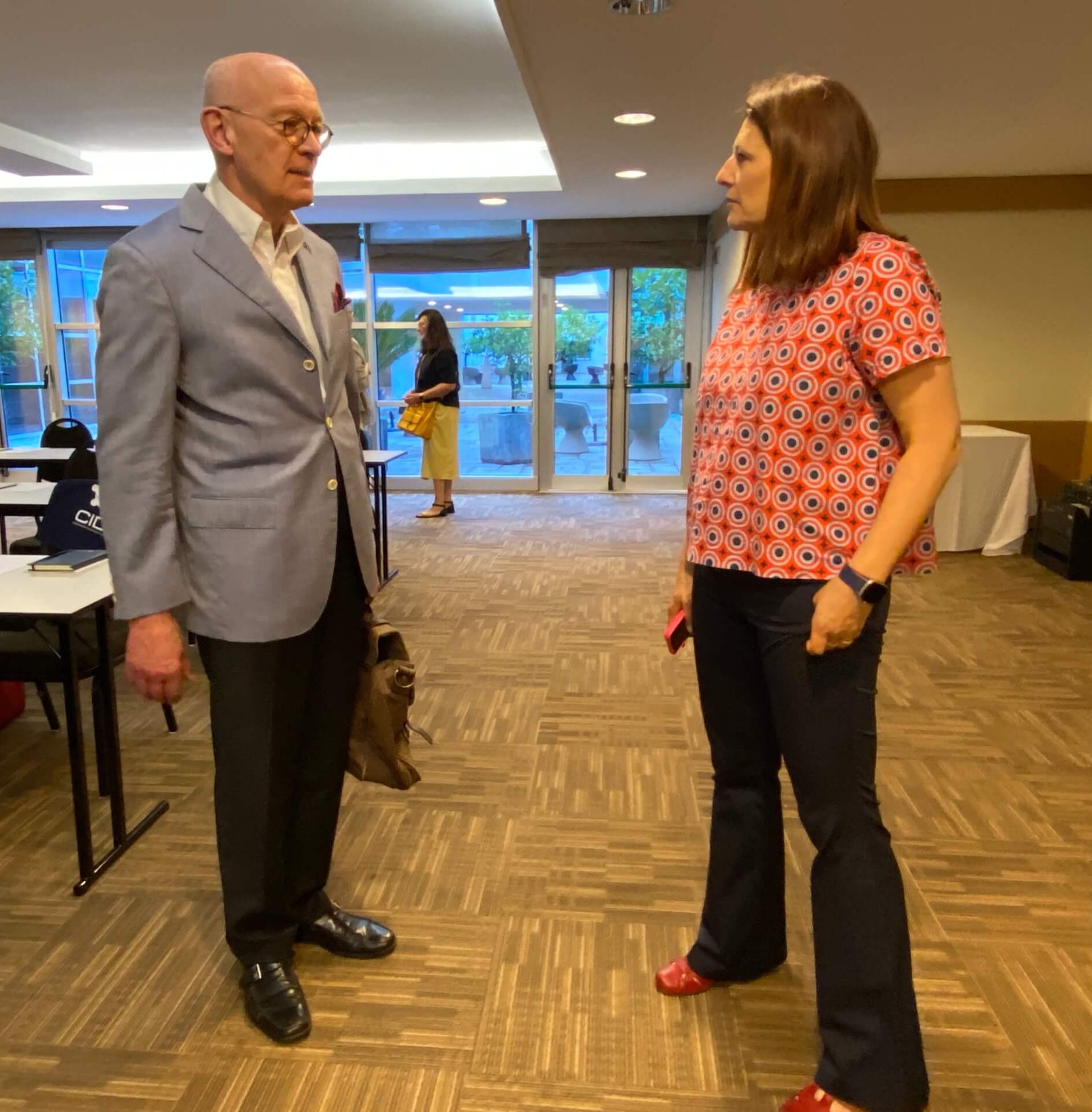
Managers from Denmark, Sweden, and Germany gather in Copenhagen for “Beyunbi” training on unconscious bias

Managers from Denmark, Sweden, and Germany gathered today in Copenhagen for the first of a two-day training session as part of the EU-funded “Beyunbi – Beyond Unconscious Bias EU Project.”

BEYUNBI PROJECT COPENHAGEN 1

The event, aimed at addressing and managing unconscious biases in the workplace, marks a significant step in fostering more inclusive leadership across Europe.

Led by Barbara de Micheli from Fondazione Giacomo Brodolini, the training is a key component of the “Beyunbi” initiative. Coordinated by CEC European Managers, representing over one million managers across the continent, the project underscores the European Union‘s commitment to diversity, equality, and inclusion.

The event is being hosted by Lederne, Denmark’s leading organization for managers, which recently celebrated its 125th anniversary.

The Beyunbi project, funded by the European Commission, seeks to raise awareness and develop strategies to mitigate unconscious biases — often ingrained prejudices that affect decision-making, team dynamics, and leadership.

The Copenhagen event kicks off a series of training sessions across Europe, empowering managers to recognize and address these biases and create more equitable workplaces.

Olga Molina, Director of CEC European Managers, welcomed participants and explained how vital this project has been for CEC to promote and disseminate good practices among European leadership and to position the organisation as a responsible social partner of the EU Commission in the context of Social Dialogue.

During the training, participants shared their perspectives on the importance of diversity and the role of CEC European Managers in promoting inclusion.

“The whole movement of inclusivity is shaking the world, and we, as leaders, must keep spreading it,” one participant noted.

Another added, “People often don’t have the title for what they are truly doing in the workplace, and that is something we, as managers, can improve with the lens of inclusivity.”

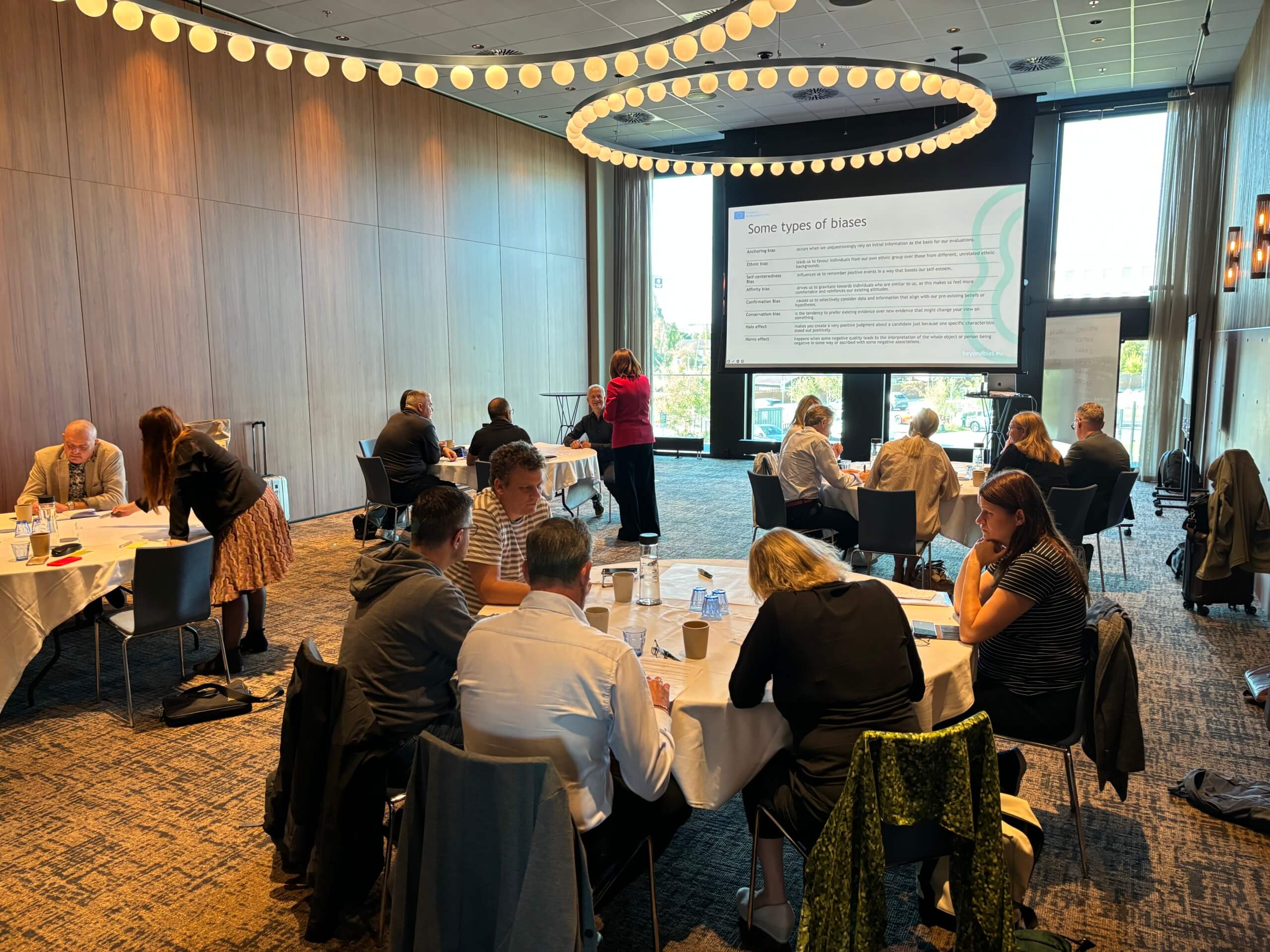
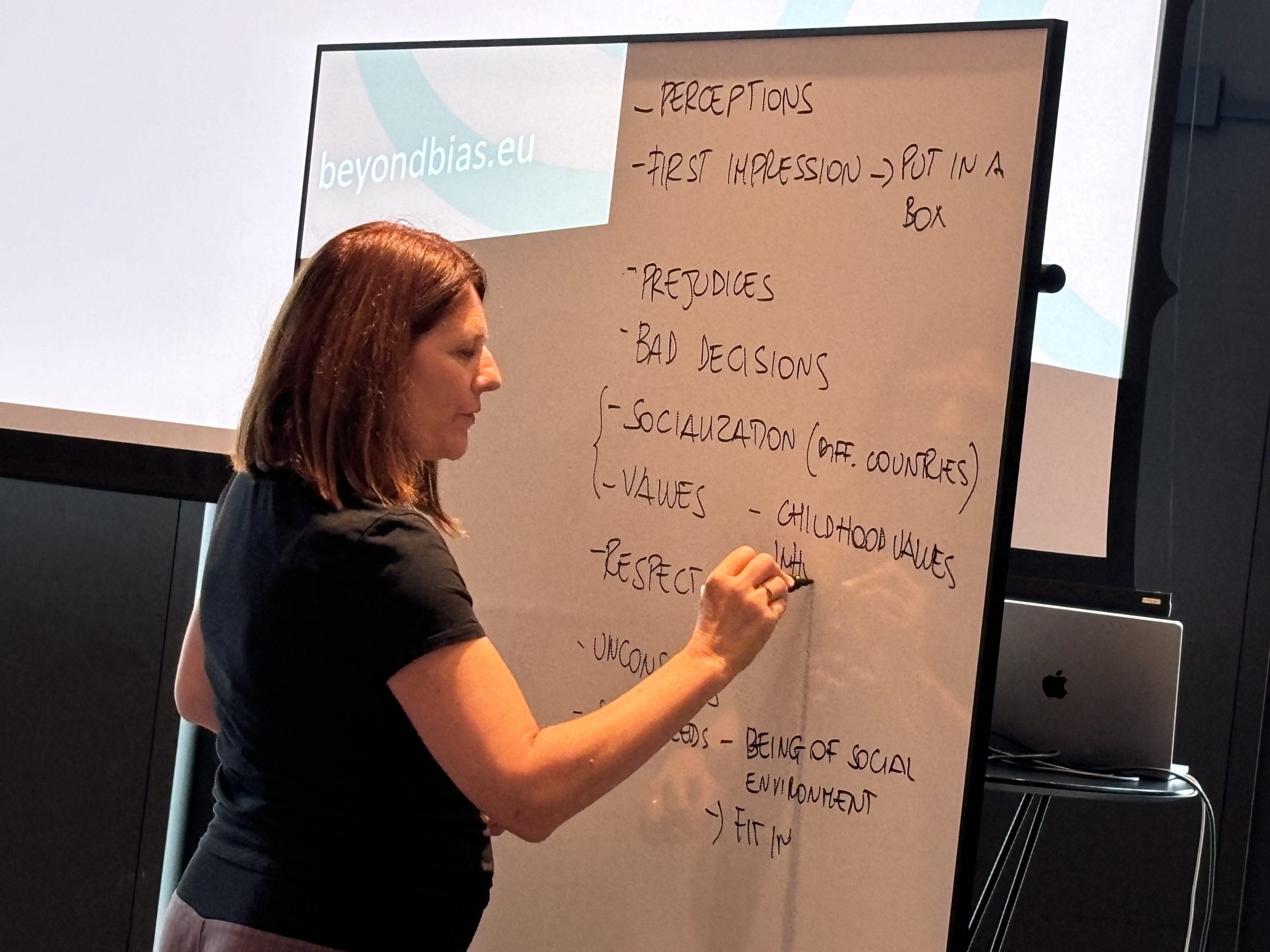
The training included various exercises, such as interpreting abstract images to understand the emotions and assumptions they evoked, illustrating how unconscious factors like religion, tradition, morals, and culture shape biases.

The whole movement of inclusivity is shaking the world, and we, as leaders, must keep spreading it

Barbara de Micheli provided a thought-provoking example: “When someone is pregnant, we often ask if it’s a boy or a girl, mainly because there’s an unconscious social path for each gender.”

This example highlighted how our minds rely on mental shortcuts — or biases — to interpret reality and respond to it, even though these shortcuts can limit our understanding and acceptance of diversity.

The impact of not addressing unconscious biases

The second part of the training addressed the impact of not controlling unconscious biases. The discussion focused on why these biases matter and their effect on organisational performance.

Participants explored how a lack of awareness about unconscious biases could harm productivity and inclusivity, noting that organisations should reflect the diversity of the broader society they serve.

“Diversity and inclusion are crucial for adapting to the real market,” one manager explained. “Quotas, for example, are not the goal but a means to achieve diversity, ensuring that our internal diversity matches the diversity of our consumers”, explained De Micheli.

The training also touched on concepts like positive discrimination in favor of women and the original intent of quotas — to integrate marginalized groups, including migrants, into the labour market.

Diversity and inclusion are crucial for adapting to the real market

Danish, Swedish, and German leaders discussed the onboarding process, emphasizing that it is often not tailored to individual employees. Participants from Nordic countries highlighted their fair and democratic onboarding approaches.

De Micheli further pointed out the consequences of ignoring biases in promotion and productivity. “Historically, many less productive workers who simply stay in the office longer than others have been promoted,” she noted. “This has led to higher levels of inefficiency in many companies.”

The discussion also covered employee retention, with a growing recognition that workers increasingly seek flexibility and value-driven workplaces over higher salaries.

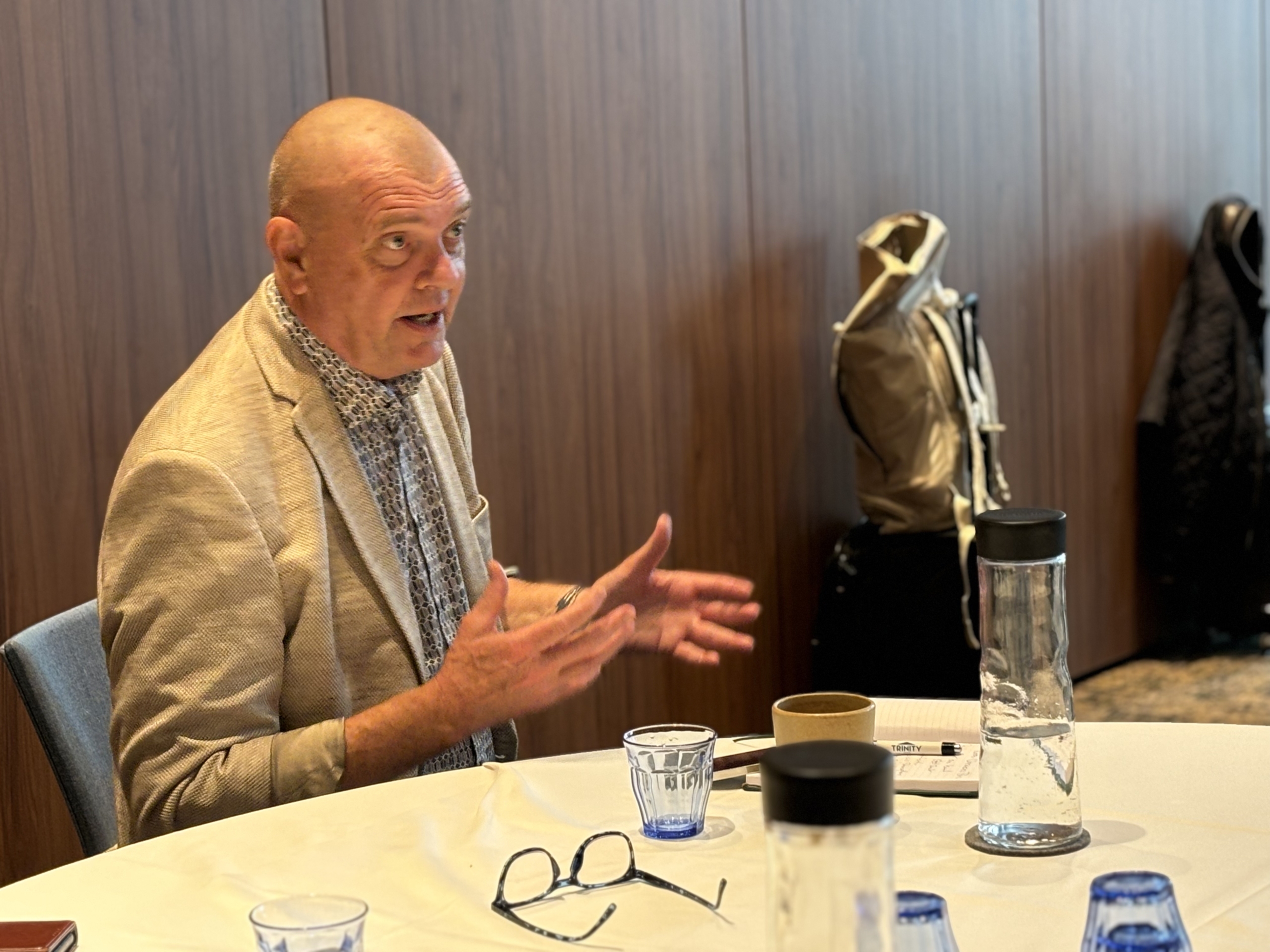
CEC European Managers’ Secretary General, Torkild Justesen, emphasized the economic implications of unconscious bias: “As managers, we must consider the economics behind all this because if we do not control our biases, we won’t always hire the right person, and hiring the wrong profile is extremely costly for companies.”

Participants also highlighted the EU’s growing shortage of workforce and skills. They called for greater political engagement from companies in raising awareness and standing firm on their values, especially in the face of extreme political forces gaining ground in some EU sectors.

Torkild Justesen, Secretary General CEC European Managers

As managers, we must consider the economics behind all this because if we do not control our biases, we won’t always hire the right person, and hiring the wrong profile is extremely costly for companies.

Torkild Justesen

De Micheli concluded by underscoring two approaches to the economic impact of inclusion: the legal one, emphasizing that “discrimination is against the law,” and the practical one, which frames inclusion as a path to innovation, critical for competitiveness.

The second training day will continue tomorrow, September 10, 2024, with workshops and group collaborations to further strengthen the tools and strategies managers need to foster inclusivity and equality in their workplaces.

Groundbreaking Training on Unconscious Bias in Rome

The vibrant city of Rome and our member organisation CIDA Manager hosted the first highly successful face-to-face training session organised by CEC European Managers as part of the European project BEYUNBI (Beyond Unconscious Bias).

The training, led by Barbara De Micheli from Fondazione Giacomo Brodolini, delved into unconscious bias and its impact on professional environments and focused on the managerial perspective of this phenomenon.

Humans are prone to biases due to the need for quick decision-making

About 20 participants came from different EU countries, mainly Italy, but also Germany and Sweden. Despite their diverse backgrounds and working fields, such as the energy sector, the chemical industry, education, or business, they all shared the same experiences when dealing with decision-making and biases, creating a strong sense of connection and understanding among them.

All of the participants were very engaged and actively participated in the training. Their enthusiasm was palpable, and their positive feedback was overwhelming. In the evaluation surveys, 100% of respondents claimed they were very satisfied with the organisation of the training and said they gained relevant knowledge and skills.

Unconscious Bias: Teaching leaders to make better decisions

Humans are prone to biases due to the need for quick decision-making; the training explored various types of unconscious biases, including anchoring, ethnicity, self-centeredness, affinity, confirmation, halo effect, and horn effect.

Generally speaking, unconscious bias in the workplace refers to the automatic, often subconscious, categorization of people based on attributes such as skin color, language, religion, and facts in their appearance, such as tattoos or piercings. These biases can shape perceptions and interactions in the workplace, creating invisible barriers and fostering environments where diversity, equity, inclusion, and belonging are compromised.

Effective communication can reveal shared feelings and emotions, helping to bridge gaps

Also, from a competitiveness perspective, the economic growth and success of a business project can be at stake if unconscious biases are too present in the working place.

In that sense, Barbara De Micheli underscored that unconscious biases result from a mix of different elements starting with the education systems. De Micheli stated that biases in the workplace vary significantly depending on the country. For instance, societal attitudes towards tattoos are evolving, reflecting broader changes in cultural norms and acceptance.

The Impostor Syndrome and Management Challenges

A significant focus of the training was on how unconscious biases contribute to phenomena like impostor syndrome, where individuals doubt their abilities and feel like frauds despite evident success. Managers transitioning from leading people to overseeing entire companies face heightened expectations and challenges.

Understanding and mitigating unconscious biases is essential for them to foster inclusive and supportive work environments.

Managers as Leaders: Catalysts for Change

Effective leadership hinges on the ability to create and sustain inclusive environments. The training emphasized that without a genuine commitment to change from managers, organisational transformation remains elusive. Leaders and managers must have the tools to navigate and implement change, accommodating diverse needs and fostering a sense of belonging among all employees.

People often stick to their selected groups in their personal and professional lives, limiting opportunities to build diverse relationships

Barbara De Micheli

Fondazione Giacomo Brodolini

Regarding trending evolutions in the workplace and the domain of inclusion, the training highlighted four critical elements for inclusive leadership:

  1. Diversity: Embracing a variety of perspectives and backgrounds.
  2. Equity: Ensuring fair treatment and opportunities for all.
  3. Inclusion: Creating an environment where everyone feels valued and heard.
  4. Belonging: Fostering a sense of community and acceptance within the workplace.
Barbara De Micheli - Beyunbi Training

Thomas H. A, Schneider and Barba De Micheli during the training in Rome

Tackling Migration Biases and Technological Challenges

The training also addressed biases related to migration, noting that most migration flows are internal, such as withinAfrica or the EU. Participants discussed the role of Artificial Intelligence and machine learning in perpetuating biases and how the ongoing AI evolution and human migration movements are interlinked in increasing inequalities, as new technologies and Artificial Intelligence programs often rely on biased data sets.

De Micheli also emphasized the importance of seeking common ground and shared experiences to overcome biases. Effective communication can reveal shared feelings and emotions, helping to bridge gaps and foster understanding.

However, De Micheli noted that people often stick to their selected groups in their personal and professional lives, limiting opportunities to build diverse relationships.

The Italian Context: A Call for Greater Awareness

In Italy, there is a pressing need to address unconscious biases more thoroughly. Conversations often lack genuine listening and an openness to understanding different perspectives. Top managers require not only training but also support, experience sharing, and guidance to lead effectively.

Conclusion: The Path Forward

The training concluded with a call to action: leaders must be proactive in seeking education and support to navigate the complexities of creating inclusive environments. Unconscious biases are an unavoidable part of human nature, but with the right tools and commitment, their impact can be mitigated.

CEC European Managers, through initiatives like Beyunbi, are leading the charge in empowering managers to become champions of diversity, equity, inclusion, and belonging.

By addressing unconscious biases head-on, organizations can pave the way for a more inclusive and equitable future.

The next training sessions will take place in Copenhagen and Paris in September and October 2024, and they will be hosted by our member organisations in these countries, Lederne and CFE-CGC.

You can find more information of this EU Project here.

Courageous leadership for sustainable workplaces

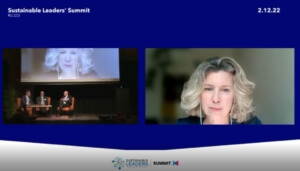
The Sustainable Leaders’ Summit on 2 December 2022 hosted a rich day of exchanges on making workplaces attractive and sustainable. More than ever, we need leaders who dare hold space for conversations that matter. With record levels of stress and resignations, it’s about rethinking the design of organisations. Purpose, participation, and a sustainable impact is what many workers, especially younger generations, expect.

The conference started with an introduction on Sustainable Leadership by Jacob Mayne with case studies of leaders who took ownership over their impact and lived their values. “Whether COP27 or COP15 – the gap between reality and ambition highlights the urgent need for sustainable leadership” Jacob Mayne, who has co-designed the Sustainable Leaders’ Training Programme, reminded the audience.

During the first panel session, the participants discussed how to make workplaces attractive again. Wim Gabriels, Director of the Erasmus Student Network, underlined that young people want to have their say about their future, for instance with more bottom-up governance. Francois Hommeril, President of CFE-CGC urged leaders to rethink their business model for positive impact. Finally, Silvia Pugi, Head of CSR of ManagerItalia, pointed to the importance of providing young people with professional development opportunities.
The afternoon panel discussed the responsibility of social partners for making new ways of working more sustainable. Christiane Misslbeck, Head of European Affairs at the Danish Employers highlighted that an evolving world of work requires some level of flexibility from both workers and employers. CEC President Maxime Legrand called on the responsibility of social partners to dialogue and shape the world of work of tomorrow – from the European level to company level social dialogue.

The Summit ended with an inspiring keynote speech by Michelle Holliday. Today, many workplaces suffer from toxic cultures, burnout and lack of motivation.

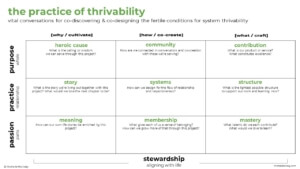
Against that background, her keynote explored how leaders can enable life to thrive in workplaces. “We can see workplaces as a practice ground for wiser, more cohesive communities that are able to navigate the existential crises that we face” she underlined. To help leaders in embracing their role as stewards for thriving workplaces, she shared a practical framework to start conversations about passion, purpose and practice.

More information

Check out the PowerPoint Presentations

Check out the video recordings on Vimeo

Sustainable Leaders’ Summit: sustainability at the heart of managerial professions

The Sustainable Leaders’ Summit took place both online and physically the 26th of  November. It gathered a group of inspirational leaders to discuss the sustainable transition of the European economy. This first edition encouraged managers, social partners and policymakers to pursue change into the workplace and society at large. The one-day event provided important insights on how to bridge the gap between sustainability ambition and reality – by mainstreaming a new type of leadership that empowers sustainable impact through work. The video highlights are now available here.

Started in 2020, the Sustainable Leaders is a European project that introduced sustainable thinking and practices within leadership and management. The program provided leaders with training schemes to gain the necessary leadership knowledge to make sustainability work in the private and public sector. It was also designed to engage social partners and policy makers on this issue and to create policy recommendation to promote sustainable leadership. This very first summit celebrated the conclusion of the project and allowed for the speakers to discuss their findings. They debated about the sustainability challenges managers are facing in their profession and reviewed topics such as climate emergency, circular economy and sustainability education.

‘Managers need training to cope with the new challenges of their evolving jobs’

As CEC’s President Maxime Legrand underlined, jobs and particularly managers’ jobs are constantly evolving. To support the managers and help them understand the current environmental and economic challenges, consistent training and emphasis on education must undergo within the workplace.
Professors Alberto Pastore and Annalisa Massacesi of Sapienza University Rome explained: ‘We need skills for making jobs greener and we need skills to invent new green jobs, thinking them together will be key to achieve our sustainability objectives.’

Throughout their presentation, the academics addressed the skills gap and the lack of sustainability awareness among managers across Europe. Although some concepts and knowledge start being integrated in the workplace, sustainability values and competences are not yet mainstreamed within the corporate environment.
They concluded: ‘A manager who can identify, inspire and implement new strategies, policies and managerial behaviors consistent with the sustainability principles is a sustainable leader. However, Eu managers don’t seem entirely ready for the sustainable transition.’

New leadership for new times

Speakers and academics argued for the need of a new sustainable leadership within a context marked by economic instability, ecological degradation and social polarization. This leadership approach should also open to a younger leadership mindset. Millennials and Gen-Z are entering the job market with different perspectives and expectations than the previous generations. They no longer want to settle for a job, they are looking for a job with meaningful impacts on society, in lines with their values.

Speakers encouraged the active involvement of younger generations, next to social partners and civil society within the EU’s transition policies, but also in corporate sustainability strategies. Without taking people on board and empowering them for sustainable jobs, we won’t go far, observed Esther Lynch from ETUC: ‘There are whole communities, around coal or the automotive industry that are afraid of the impact of the transition. We need to take these workers on board to make sustainability a success’

All sectors will be subjected to restructuring and managers play a key role in this transition. Industries and managers need to understand the trends of today and adjust their performance indicators to focus on well-being, health and happiness.
Finally, managers should be included in policies and packages regarding sustainable employment and leadership. Institutions such as the European Commission must do more to ensure this transition toward sustainable practices across Europe.

New thinking patterns

The Sustainable Leaders’ Summit hosted several panel discussions, the last keynote presented by Carol Sanford urged the participants to re-think their approach to sustainability and business: ‘You cannot change the world by using the same thinking that created our problems. We need to re-examine ourselves and see our effects in the world. (…) By controlling, fragmenting and putting people and organizations into boxes, we produce degenerative effects. We need to move towards a living systems understanding.’

This first summit paved the way for leaders across Europe to incorporate sustainability in their core values but also to reevaluate their positions and priorities for their businesses. Social dialogue and social partners have to better support workers and managers in achieving these goals. Building new capacities and drafting fairer policies integrating education and sustainability will make the green transition possible. That’s why in early 2022, project leader CEC European Managers will publish the final report of the Sustainable Leadership Project, with a set of recommendations for mainstreaming sustainable leadership within private and public sector management.

More information

Video recordings of the Sustainable Leaders’ Summit 2021

Read the Sustainable Leaders’ report

The Sustainable Leadership Model – a playbook for Europe’s transition

Sustainable Leadership in Europe Report published

CEC European Managers has published a new report on the state of Sustainable Leadership in Europe. The representative findings, based on a survey among 1500 managers from six EU countries, highlight a clear gap between the political ambition of transitioning to a greener and fairer future and the management reality on the ground. While many managers are convinced of the importance of sustainability, it is insufficiently put in practice in companies. The lacking implementation of sustainability measures may be linked to traditional leadership values, inadequate education and training of managers, as well as regulatory pitfalls.

The current global recession, climate emergency and socio-economic polarisation are a wake-up call. The findings of the « Sustainable Leadership in Europe » report clearly show that managers are aware of the importance and value of sustainability. However, the complex and interrelated challenges are too often not in line with the skills of the people who have to deal with them. Without skilled and committed managers, the required changes towards an economy in line with societal needs and planetary boundaries are likely to fail. The current narrative around the transition too often ignores the human side of things.

“The current challenges, especially the economic crisis, are complex to resolve. Fortunately, our “Sustainable Leadership in Europe” report clearly highlights how to overcome a major obstacle to building a more resilient and sustainable economy. Managers need a European scheme equipping them with the right skills and knowledge needed in this transformation.”
– Ludger Ramme, President of CEC European Managers

It’s now about putting Sustainable Leadership into practice, by targeting those who are responsible for shaping the future of their companies. That’s why the project partners of the “Sustainable Leadership Project”, led by CEC European Managers, are developing an evidence-based European Pilot Training Programme for European managers on Sustainable Leadership. The innovative training will allow providing relevant knowledge, skills and resources for the change-makers of the future.

The « Sustainable Leadership in Europe » research, conducted by Professor Alberto Pastore and his team, introduces a new model of Sustainable Leadership. The reality on the ground, as revealed by the study, shows that ambition and capabilities are in mismatch. Its representative survey among more than 1500 managers in six European countries[1] shows the main areas in which managers need to improve.

The “Sustainable Leadeship in Europe” report gives relevant information about the state of Sustainability in European management.

When it comes to knowledge, many respondents are not aware of key political frameworks and legislation, such as the non-financial reporting directive. As far as values are concerned, only around 40% share values associated with sustainability. The education of managers, but also office culture, can be factors of explanation.. Only few managers are aware on what sustainability indicators are relevant to their organisation, left alone implementing an accurate materiality assessment.

Despite these challenges, the research also highlights that the topic of sustainability has clearly entered the mainstream. There is broad consensus on the importance of sustainability in general and associated indicators, such as respect for human rights or waste reduction, in particular. The comparison between the general managerial population and managers affiliated to CEC European Managers has highlighted how the latter generally score better on Sustainable Leadership, especially in the area of soft skills. A larger involvement of managers in social dialogue and professional associations could thus contribute to improve sustainability performance.

Lastly, the results of the survey can also be seen as an opportunity to put the upskilling of managers on top of political priorities. After the publication of the studies, the project will continue with a series of webinars and seminars, organised for managers from across Europe. Stay tuned!

Visit SustainableLeaders.eu!

Check out the Sustainable Leadership in Europe – Executive Summary
Please find the Press Release here.

[1] Germany, France, Italy, Spain, Poland and Denmark